Creating a well-organized home office is key to enhancing both productivity and comfort. With many people working remotely or managing side projects at home, having a dedicated, tidy workspace can make a significant difference in focus and overall work satisfaction. Whether you’re setting up your office for the first time or looking to improve an existing one, these simple tips will help you create an environment that supports your best work.
Why Organizing Your Home Office Matters
A cluttered space can lead to a cluttered mind. When your workspace is disorganized, it becomes harder to find important documents, stay focused, and maintain motivation. Conversely, a clean and well-planned office helps reduce stress, encourages efficient task management, and creates a more comfortable atmosphere. Organizing your office isn’t just about tidiness; it’s about designing a setup that works for you.
Tips to Organize Your Home Office
1. Choose the Right Location
Finding the best spot in your home for your office matters a lot. Ideally, select a quiet area with natural light. A window nearby can boost mood and reduce eye strain. If space is limited, choose a nook or corner where you can keep your work separate from other home activities, which helps in maintaining focus.
2. Invest in Quality Furniture
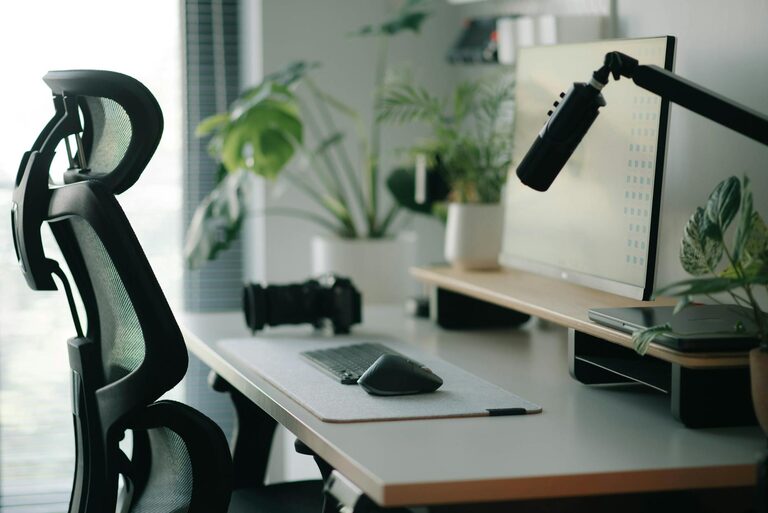
Comfort affects productivity. Select a desk and chair that support good posture. An adjustable chair with lumbar support is a great choice. Also, the desk should be the right height to prevent strain on your wrists or back. If possible, consider options like standing desks or ergonomic accessories that suit your working style.
3. Declutter Regularly
Less is more when it comes to your desk surface. Keep only essentials within arm’s reach and store other items away. Spend a few minutes at the end of each day clearing papers, pens, and gadgets that aren’t immediately needed. This habit helps maintain an inviting and efficient workspace.
4. Use Smart Storage Solutions
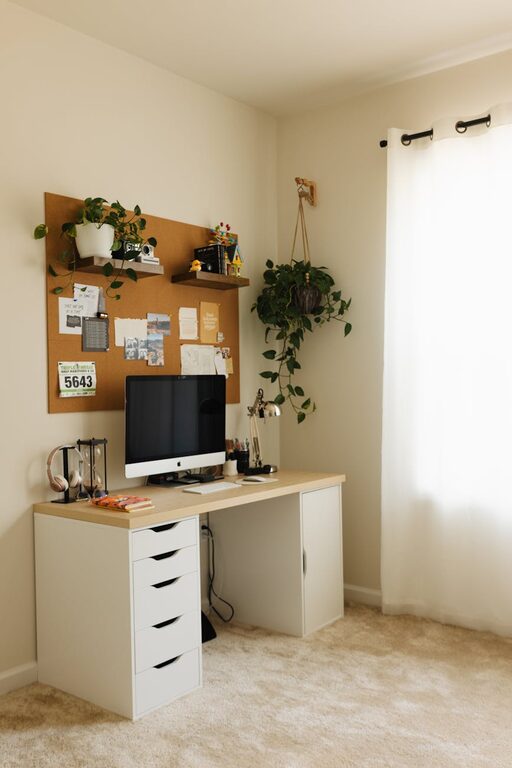
Maximize vertical space with shelves or wall organizers to keep supplies off your desk but easily accessible. Drawer organizers help separate small items like paper clips, chargers, and sticky notes. Label boxes, files, or folders clearly so you can quickly grab what you need without wasting time searching.
5. Manage Cables and Tech Accessories
Tangled wires can create a messy look and distract you. Use cable clips, sleeves, or cable boxes to keep cords neat and out of sight. Charging stations or docking stations can centralize your devices, making charging simpler and reducing desktop clutter.
6. Personalize Thoughtfully
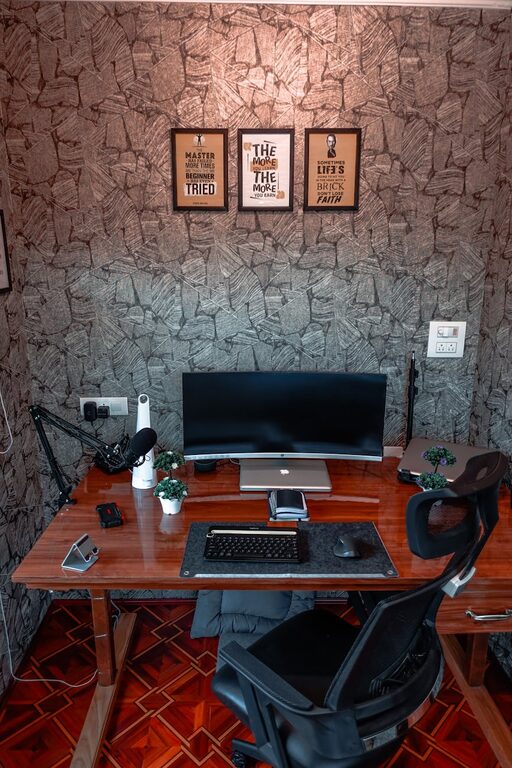
Adding personal touches can make your office feel more welcoming, but avoid overcrowding your space. A plant, a framed photo, or motivational quotes can brighten your environment without overwhelming it. Choose items that inspire you and create a pleasant atmosphere.
7. Optimize Lighting
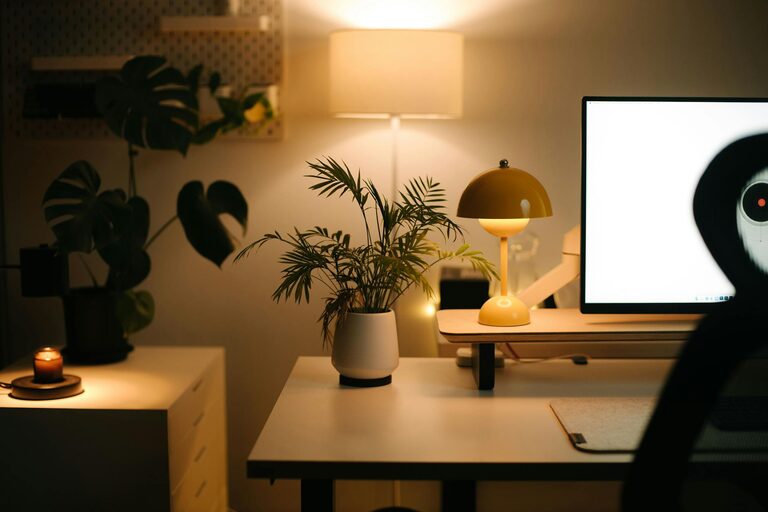
Proper lighting reduces eye strain and fatigue. Along with natural light, use task lighting like adjustable desk lamps to illuminate your work area. Avoid harsh overhead lights or glare on your screen to maintain comfort throughout the day.
8. Organize Digital Files Too
An organized physical workspace works best when your digital files are also in order. Create clear folder systems on your computer and back up important documents regularly. Using cloud storage can allow quick access and reduce the need for excessive printed materials.
9. Keep Break Areas Separate
If possible, set up a small spot nearby for breaks, such as a comfortable chair or a small table for coffee. Having a separate place to rest your mind can help you return to work refreshed and with better focus.
Practical Daily Habits to Maintain Organization
– Set a timer for 5 minutes: Before finishing work, spend a few minutes tidying your desk.
– Clear your to-do list: Prioritize and update tasks to keep your workflow smooth.
– Use baskets or trays: Quickly gather items that don’t belong in your office and put them away.
– Review your setup monthly: Adjust your organization system as needed to fit changing work demands.
Final Thoughts
Organizing your home office doesn’t require a big renovation or fancy equipment. With thoughtful planning and daily habits, you can create a space that encourages productivity and comfort. Remember, the best office setup is one that suits your personal needs and style, making work feel enjoyable and efficient.
Start with these simple tips, and watch how a well-organized home office transforms your workday.
About the Author