Creating a cozy and functional home office space can transform the way you work from home. With many people spending more time working remotely, having a dedicated area that inspires focus and comfort is essential. Whether you have a small corner or an entire room to dedicate, the right setup can boost your productivity and make your workday more enjoyable. Below are helpful tips to design a home office that meets your needs and feels inviting.
Choose the Right Location
The first step in creating your home office is deciding where it will be. Here are some things to consider:
– Natural Light: A spot near a window offers natural light, which is great for mood and energy.
– Quiet Environment: Opt for a place away from household noise to minimize distractions.
– Space Availability: Make sure there is enough room for your desk, chair, and any equipment you need.
If space is limited, even a part of your living room or bedroom can be transformed with a compact desk and some smart organization.
Invest in a Comfortable Chair and Desk
Your furniture is key to comfort and productivity.
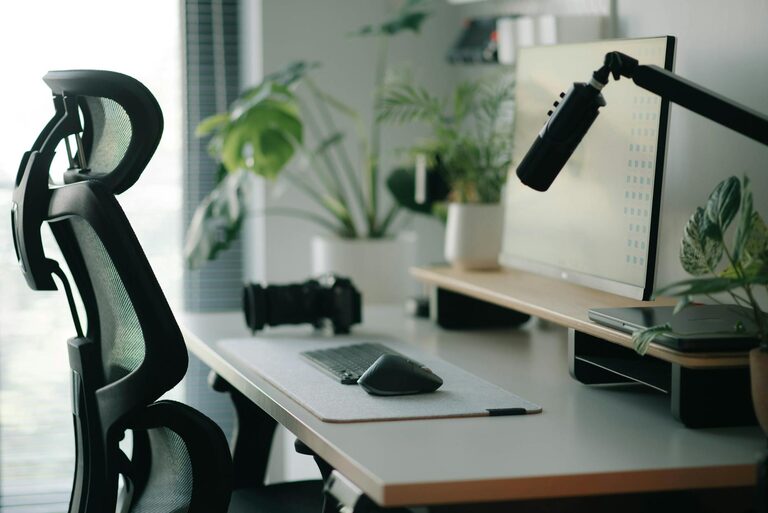
– Ergonomic Chair: Choose a chair that supports your back and encourages good posture.
– Desk Size: Pick a desk that fits your work style—enough room for your computer, documents, and other essentials.
– Adjustable Options: Consider a desk or chair that can be adjusted to fit your height for maximum comfort.
You will spend many hours at your desk, so investing in quality furniture pays off.
Keep the Space Organized
A clutter-free workspace helps keep your mind clear.
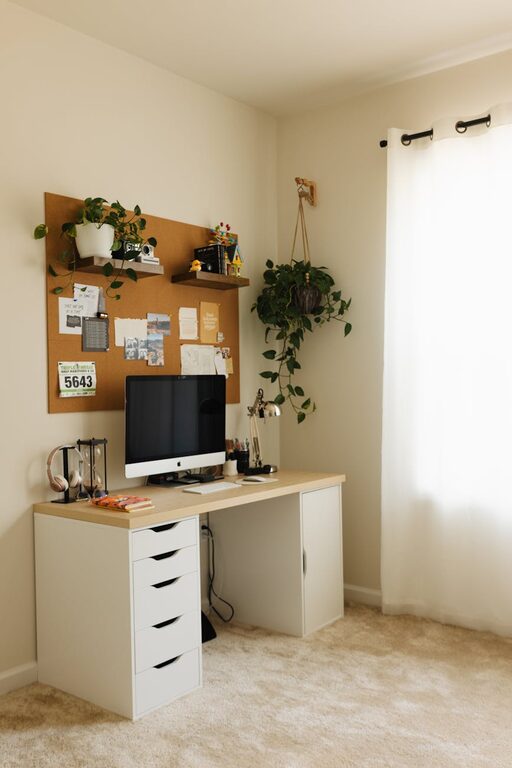
– Storage Solutions: Use shelves, filing cabinets, or baskets to store documents and supplies.
– Desk Organizers: Keep small items like pens and notebooks tidy with organizers.
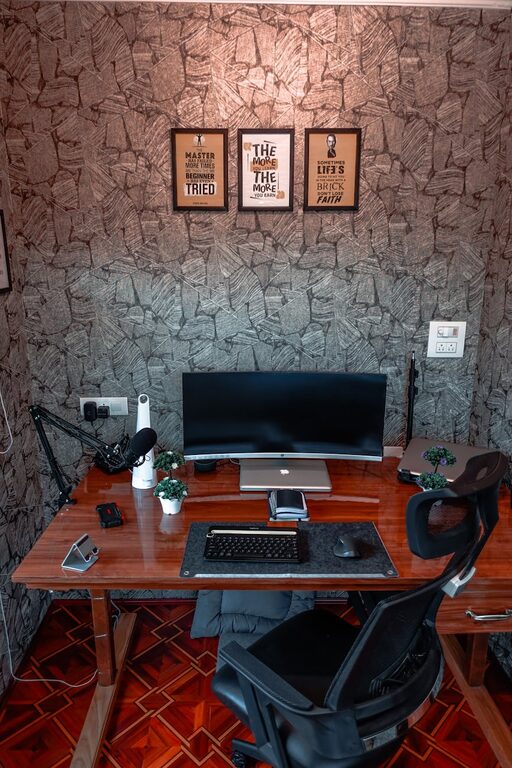
– Cable Management: Keep cords neat with clips or sleeves to prevent tangling.
Spend a few minutes each day putting things back in place to maintain order.
Add Personal Touches
Make your office a place you enjoy spending time in by adding personal elements.
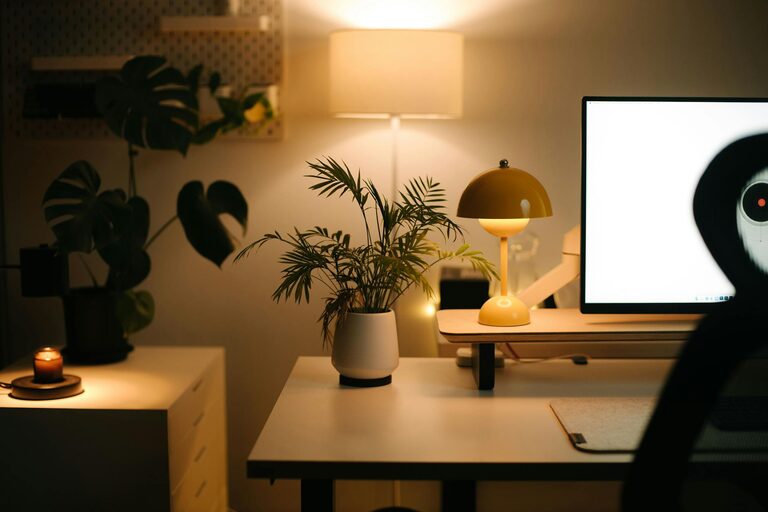
– Plants: Small indoor plants improve air quality and add life to the room.
– Artwork: Hang pictures or prints that inspire you or relax your mind.
– Comfort Items: A soft rug or cozy blanket can make the space feel welcoming.
These items not only decorate but can also boost creativity and mood.
Optimize Lighting
Good lighting reduces eye strain and enhances focus.
– Task Lighting: Use a desk lamp with adjustable brightness to illuminate your workspace.
– Ambient Lighting: Soft overhead lighting creates a warm atmosphere.
– Avoid Glare: Position screens to reduce glare from windows or lights.
Natural light should be supplemented with artificial options to maintain consistent brightness throughout the day.
Create Zones for Different Activities
If your work involves multiple tasks, designate different areas for each.
– Work Zone: Your main desk for computer work and meetings.
– Creative Zone: A separate space for brainstorming or sketching, if possible.
– Relaxation Zone: A comfy chair or small sofa for reading or breaks.
Segmenting your office helps keep your mind focused on one task at a time.
Use Technology Wisely
Equip your home office with the right tools to stay efficient.
– Reliable Internet: A strong connection ensures smooth video calls and downloads.
– Quality Headphones: Noise-canceling headphones help block distractions.
– Backup Power: A surge protector or UPS keeps your equipment safe and running during outages.
Regularly update software and devices to avoid technical issues.
Maintain Work-Life Balance
To avoid burnout, it’s important to separate work from personal life.
– Set Boundaries: Define office hours to signal when your workday starts and ends.
– Take Breaks: Step away from your desk regularly to stretch and rest your eyes.
– End-of-Day Ritual: Close your laptop and tidy your space to mark the end of work.
A well-designed office space supports these habits by being both inviting and functional.
Conclusion
Designing a cozy and functional home office is achievable no matter your space or budget. Focus on comfort, organization, lighting, and personal touches to create an area that supports productivity and well-being. With thoughtful planning and small improvements, your home office can become a favorite spot for work and creativity. Remember, the best workspace reflects your personal style and needs, making work feel less like a chore and more like a rewarding part of your day.
About the Author