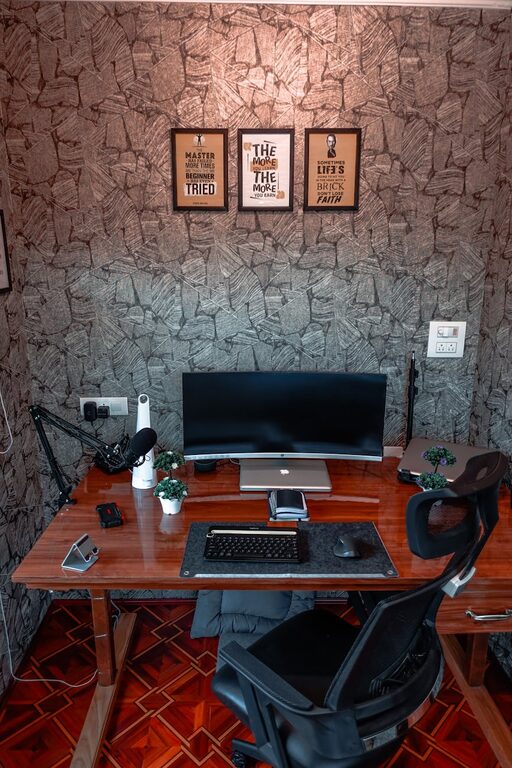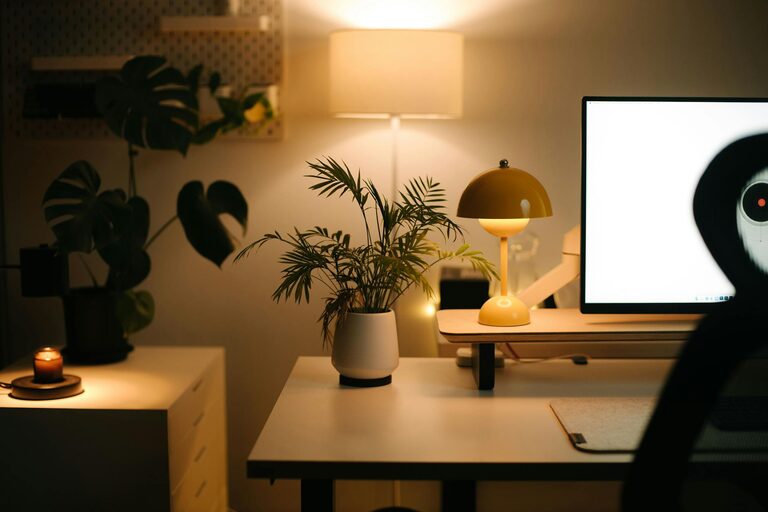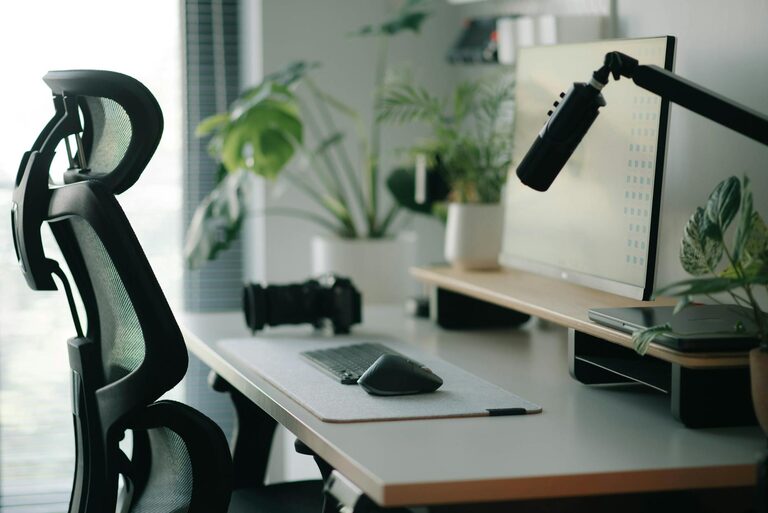
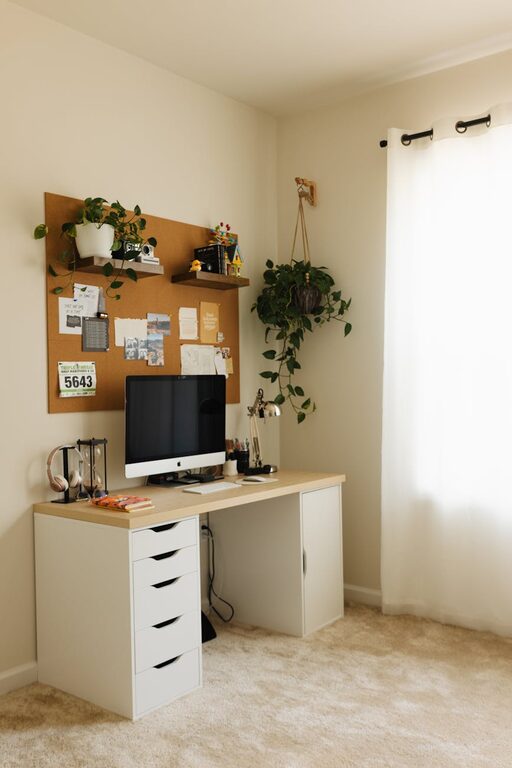
Creating a relaxing home workspace is essential for productivity and well-being, especially as many people continue to work remotely or spend significant hours at home. A well-designed workspace not only reduces stress but also helps maintain focus and creativity. Whether you have a dedicated room or just a small corner, these tips will guide you to create a calm and inviting environment that supports your work.
Choose the Right Location
Selecting the best spot for your workspace is the first step. Ideally, it should be a quiet area with minimal distractions. If possible, pick a space near a window for natural light, which boosts mood and energy. Avoid locations that are too close to high-traffic zones or noisy appliances to keep interruptions to a minimum.
Invest in Comfortable Furniture
Comfort is key to maintaining focus and reducing physical strain. A supportive chair and a desk at the right height are must-haves. Ergonomic furniture encourages good posture, reducing the risk of back or neck pain. If possible, consider a sit-stand desk to alternate your positioning throughout the day.
Tips for Choosing Furniture:
– Test chairs for lumbar support and adjustability.
– Choose a desk that fits your work equipment comfortably.
– Add cushions or footrests if needed to improve comfort.
Control Lighting
Lighting greatly impacts productivity and mood. While natural light is ideal, supplement it with adjustable artificial lighting. Avoid harsh overhead lights; instead, use soft desk lamps or floor lamps that provide adequate illumination without causing glare on screens.
Lighting Tips:
– Position your desk so that light comes from the side, preventing screen glare.
– Use warm light bulbs for a cozy atmosphere.
– Consider smart lamps that adjust brightness automatically.
Declutter and Organize
A tidy workspace reduces stress and helps you focus better. Keep only essential items on your desk and store the rest in drawers or shelves. Organize cables and chargers to avoid tangles. Use organizers or trays for papers and office supplies.
Organization Ideas:
– Use file holders or digital filing systems for paperwork.
– Label storage containers to find items quickly.
– Make it a habit to tidy up your desk at the end of each day.
Incorporate Soothing Colors and Personal Touches
Colors influence feelings, so choose hues that promote calmness and concentration. Soft blues, greens, or neutrals work well in a workspace. Add personal touches like plants, artwork, or photos to make the area welcoming and inspiring without causing distractions.
Decorative Suggestions:
– Add a small indoor plant to improve air quality.
– Hang inspiring quotes or art that motivates you.
– Use calming color accessories like cushions or rugs.
Minimize Noise
Noise can be a significant distraction. If your workspace is near noisy areas, try noise-cancelling headphones or a white noise machine to mask background sounds. Playing soft instrumental music can also help some people focus better.
Maintain Good Air Quality and Temperature
Fresh air and comfortable temperature contribute to better concentration and comfort. If possible, open windows to let in fresh air. Use a fan or heater to maintain a comfortable temperature, avoiding extremes that can make working difficult.
Set Boundaries
Creating a relaxing workspace also means setting clear boundaries. Clearly define your work area and communicate this to other household members. This setup helps reduce interruptions and mentally separates work from leisure.
Incorporate Break Space Nearby
If space allows, place a comfortable chair or small couch near your workspace for breaks. Stepping away from your desk occasionally can refresh your mind and improve overall productivity.
Use Technology Wisely
Leverage technology to keep your workspace efficient and enjoyable. Use cable organizers to reduce clutter and consider wireless devices to minimize cords. Keep your desktop clutter-free by organizing digital files regularly.
Practice Regular Maintenance
Keeping your workspace comfortable and relaxing is an ongoing process. Regularly clean and rearrange your area to ensure it remains functional and inviting. Update your setup as needed to accommodate changing work habits or equipment.
—
By following these tips, you’ll create a home workspace that not only feels relaxing but also supports your productivity and well-being. Remember that the goal is to design an environment where you can work comfortably and focus easily, so make adjustments based on your preferences and needs. A calming workspace can truly make a big difference in how you feel and perform during your workday.
About the Author