Creating an organized workspace can have a significant impact on your productivity and overall work experience. A clutter-free and thoughtfully arranged environment not only helps you stay focused but also reduces stress and saves time. In this post, we’ll explore creative and practical ways to organize your workspace so you can work more efficiently and comfortably.
Why Organize Your Workspace?
Before diving into tips, it’s important to understand why organizing your workspace matters. When your desk is cluttered with papers, cables, and miscellaneous items, it can be tough to find what you need quickly. Disorganization can also lead to distractions, making it harder to concentrate on tasks. An organized workspace promotes better focus, creativity, and a more professional atmosphere.
Start with Decluttering
The first step to a productive workspace is clearing out anything you don’t need. Follow these guidelines:
– Remove unnecessary items: Sort through papers, gadgets, and office supplies and discard or store anything you rarely use.
– Organize essentials: Group similar items together so they are easy to find.
– Keep surfaces clear: Only keep essential tools and items on your desk surface.
Decluttering creates a clean slate and makes space for organizing.
Use Vertical Space Creatively
Many workspaces focus only on desk surface area, but vertical space is often underutilized. Consider these ideas:
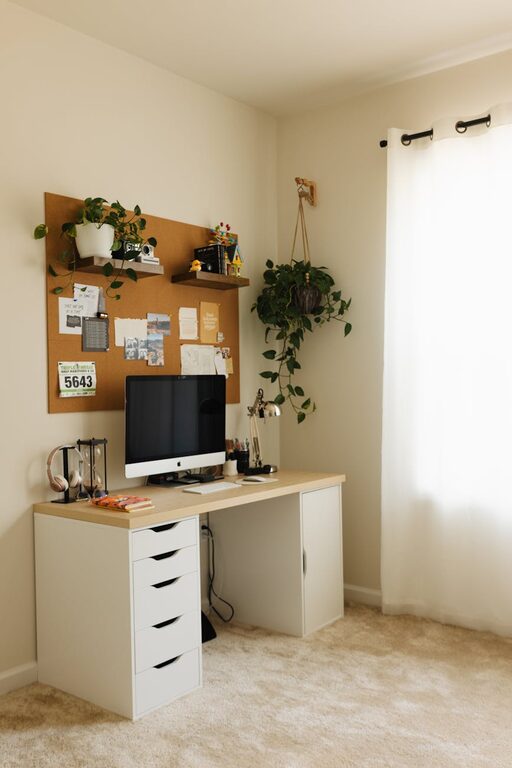
– Wall-mounted shelves: Install shelves above your desk for books, office supplies, or decorative plants.
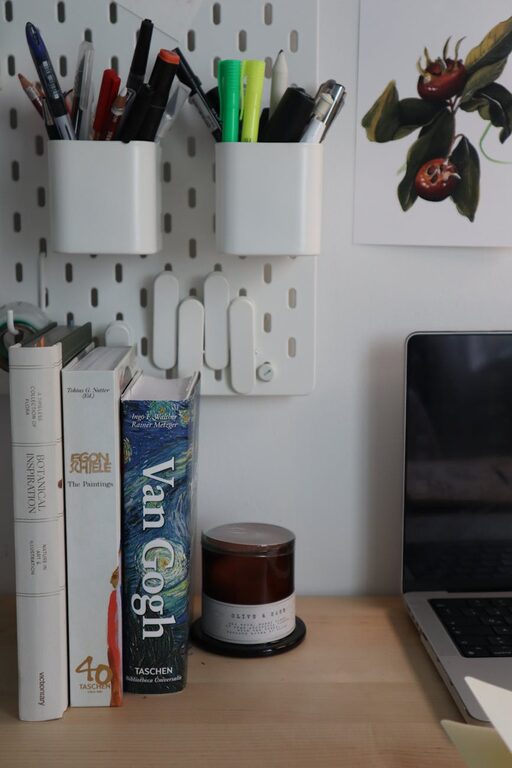
– Pegboards: Great for hanging tools, scissors, cables, or notes. You can arrange hooks and baskets in a customizable pattern.
– Magnetic boards or strips: Use these for holding metal items like paperclips or small stationery.
Vertical storage frees up desk space and keeps things within easy reach.
Invest in Drawer Organizers and Containers
Drawers are helpful, but without a system, they can become catch-alls for clutter. Organize them with:
– Dividers and trays: Separate pens, papers, cables, and other small items to avoid a jumbled mess.
– Labeled containers: Use clear containers or boxes labeled by category to find what you need faster.
– Cable management: Keep chargers and cords neatly bundled using cable ties or organizers.
Maintaining an order inside drawers maximizes your storage and reduces time spent searching.
Create Zones for Different Tasks
Designate specific areas within your workspace for various activities to improve focus.
– Primary work zone: Your main desk area should hold your computer, notepad, and essential tools.
– Reference zone: A nearby shelf or file holder for documents, books, or manuals.
– Creative zone: A space for brainstorming or sketching, equipped with whiteboards, sticky notes, or art supplies.
Having zones reduces distractions and helps your brain switch tasks smoothly.
Personalize with Purpose
A workspace that feels welcoming encourages productivity. Personal touches can motivate you, but keep them intentional.
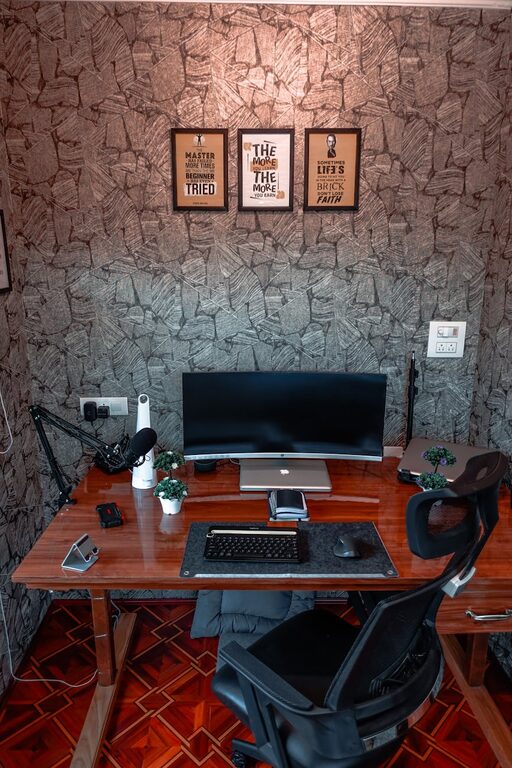
– Inspiring decor: Add art, motivational quotes, or plants.
– Functional accessories: A stylish lamp, comfortable chair, or quality desk pad.
– Color coding: Use color-coded folders or notebooks to quickly organize projects.
Avoid overloading your space with personal items to maintain balance.
Optimize Lighting and Ergonomics
Effective workspace organization extends beyond items and storage; consider these practical factors:
– Lighting: Position your desk near a window for natural light. Add adjustable desk lamps to avoid eye strain.
– Ergonomics: Use a chair with good back support and adjust your monitor to eye level.
– Cable routing: Keep cords tidy and out of the way to reduce clutter and prevent tripping.
Comfortable conditions contribute to sustained productivity throughout the day.
Digital Organization Complements Physical Setup
A tidy workspace also involves digital order.
– Clean desktop: Keep your computer desktop free from unnecessary icons and files.
– Organize folders: Use clear folder structures and file names to quickly locate documents.
– Password managers and calendars: Use tools to manage digital clutter and stay on top of your schedule.
Combining physical and digital organization offers a comprehensive approach to productivity.
Maintain Your Organized Workspace
Organization is an ongoing process. Create habits to maintain your tidy space:
– End-of-day cleanup: Spend 5-10 minutes putting things back in place.
– Weekly review: Declutter, reorganize, and reassess what you need.
– Limit incoming clutter: Handle mail and notes regularly to avoid piles.
Routine maintenance keeps your workspace efficient and pleasant over time.
—
In summary, organizing your workspace creatively can transform how you work. By decluttering, using vertical space, creating designated zones, and personalizing your area with intention, you’ll foster a more productive and enjoyable work environment. Remember, a little planning and consistent upkeep go a long way in maintaining a space that supports your professional and creative needs.
About the Author